Cold Laser Therapy For Dogs: Common Questions Explained
Wiki Article
Exactly How Cold Laser Therapy for Pets Promotes Faster Recovery and Boosts Mobility
Cold laser treatment is acquiring traction as an effective treatment for pet dogs recuperating from surgeries and injuries (Cold Laser Therapy For Dogs). By boosting mobile feature and boosting blood flow, this non-invasive method aids in reducing swelling and discomfort. Several family pet owners report visible enhancements in their canines' flexibility and lifestyle. Nonetheless, recognizing the details of this treatment and its benefits is essential for making educated choices concerning canine treatment. Exactly what does the process require?What Is Cold Laser Therapy and Just How Does It Work?
Cold laser treatment, additionally referred to as low-level laser therapy (LLLT), is a non-invasive therapy that uses particular wavelengths of light to advertise healing and reduce pain in dogs. This method uses low-power lasers or light-emitting diodes (LEDs) to pass through the skin and promote cellular function. By targeting soft cells, the treatment boosts blood flow, encourages cells repair, and decreases inflammation.The mechanism behind chilly laser treatment involves the absorption of photons by the cells, which turns on different biochemical procedures. This stimulation causes raised ATP manufacturing, boosting cellular metabolic rate and accelerating the recovery process. Because of this, pet dogs undertaking this therapy might experience minimized pain and swelling, boosted movement, and boosted recovery times. It is typically utilized to treat a selection of conditions, including joint inflammation, post-surgical discomfort, and injuries. The non-invasive nature of the therapy makes it a secure option for lots of canine people looking for alleviation.
Advantages of Cold Laser Treatment for Dogs
While lots of pet owners seek efficient discomfort relief choices for their pets, cool laser therapy provides a series of benefits that can considerably boost a dog's high quality of life. This non-invasive treatment promotes healing by promoting mobile feature and boosting blood flow, which can cause faster recovery from injuries or surgical treatments. In addition, the therapy can lower inflammation and minimize pain, making it possible for pets to regain flexibility and participate in physical activities extra comfortably.Cold laser treatment is additionally safe and generally well-tolerated, making it ideal for pets of all sizes and ages. It may help lower the demand for medicines, reducing potential side impacts connected with pharmaceuticals. Many canines experience relaxation during therapy sessions, adding to overall health. By including chilly laser therapy right into their treatment programs, animal proprietors may observe significant renovations in their pets' physical condition and joy, eventually cultivating a stronger bond between them.
Problems Treated With Cold Laser Therapy
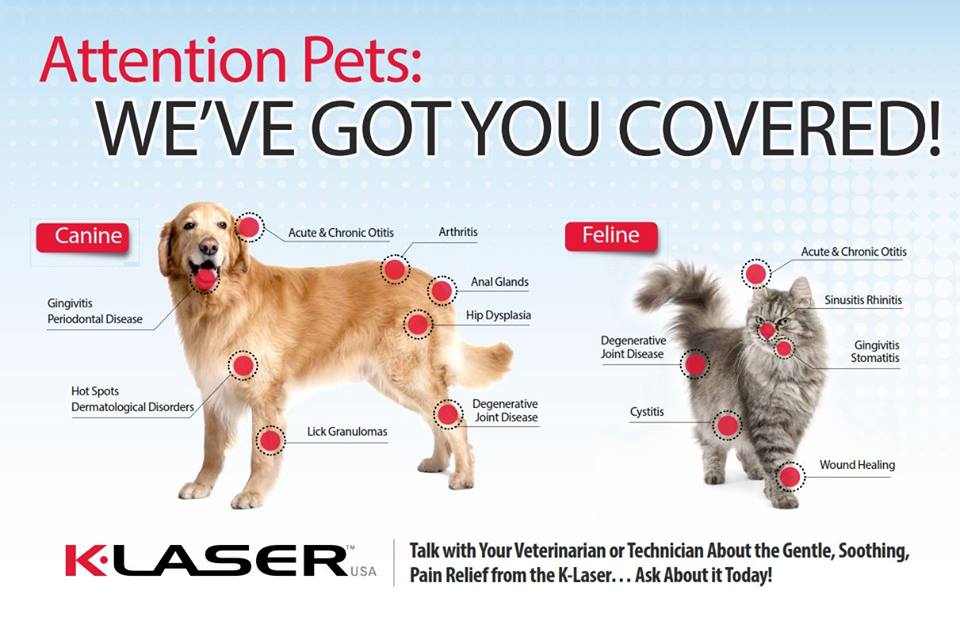
Numerous problems affecting pets can be properly treated with chilly laser therapy, as this cutting-edge method addresses both persistent and severe issues. This treatment is especially useful for managing discomfort connected with joint inflammation, hip dysplasia, and other degenerative joint illness. It promotes recovery in soft cells injuries, such as strains and strains, and aids healing from operations.In enhancement to musculoskeletal issues, cool laser treatment can also ease signs and symptoms of inflammation and aid in injury healing. Conditions like tendonitis, nerve, and bursitis injuries respond well to this non-invasive treatment. Moreover, cold laser therapy can be efficient in managing persistent problems such as intervertebral disc condition and certain dermatological concerns. The versatility of this treatment makes it an important choice for veterinarians, assisting pet dogs gain back flexibility and boost their overall quality of life.
The Treatment Refine: What to Anticipate
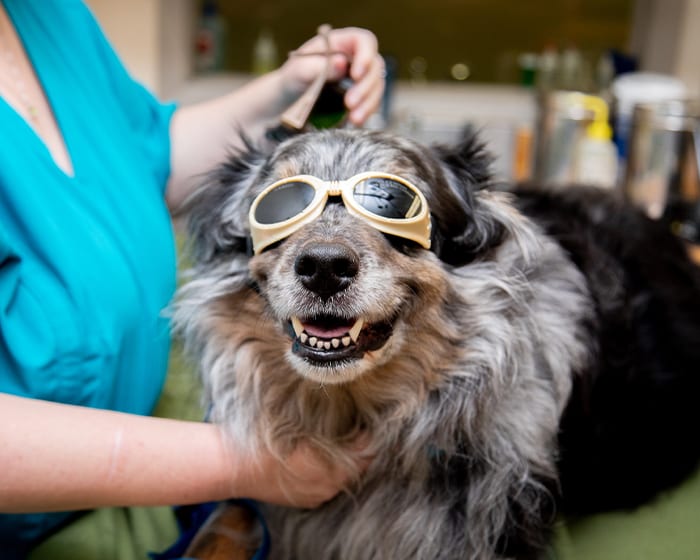
The laser penetrates the skin, stimulating cellular task and promoting recovery without creating discomfort. Many canines continue to be calm and loosened up during the session, with some even taking pleasure in the heat of the laser.
Sessions may be repeated several times a week, relying on the condition being treated and the vet's recommendations. Throughout the treatment procedure, pet dog owners are encouraged to observe their pet dog's feedback and communicate any type of problems. This joint strategy guarantees that both the proprietor and the animal feel informed and participated in the recovery trip.
Contrasting Cold Laser Treatment to Typical Therapies
When contrasting cold laser therapy to traditional therapies for dogs, the differences in mechanism of activity are substantial. Cold laser treatment advertises recovery at a cellular level without the invasive effects frequently related to conventional approaches - Cold Laser Therapy For Dogs. In addition, recovery times might differ, with chilly laser treatment possibly supplying quicker recovery benefitsMechanism of Activity
Traditional therapies for injuries and pain in canines usually count on pharmaceuticals and intrusive treatments, chilly laser therapy offers a non-invasive choice that promotes recovery with a different device of action. This treatment uses low-level lasers to pass through the skin, stimulating mobile functions such as ATP manufacturing, which enhances power metabolic process in cells. Increased blood circulation and decreased inflammation are also vital impacts, as the laser advertises vasodilation and motivates the launch of endorphins. Unlike standard approaches, which may mask discomfort or require medical intervention, cold laser treatment addresses the underlying reasons for discomfort, facilitating natural healing procedures. This one-of-a-kind method permits boosted recovery times and much better mobility, making it a positive alternative for taking care of canine injuries.Healing Time Contrast
While typical treatments for injuries in dogs commonly involve longer recuperation times because of their intrusive nature and reliance on drugs, cold laser therapy can greatly speed up the recovery process. Research studies show that dogs receiving chilly laser treatment experience considerably much shorter recovery periods contrasted to those undertaking standard approaches. Typical therapies may take weeks or even months, frequently gone along with by negative effects from medications. In comparison, chilly laser treatment advertises cells fixing and minimizes swelling without the need for intrusive treatments or medicines. This non-invasive method not just increases recovery however likewise improves mobility more promptly, making it possible for canines to go back to their regular tasks quicker. As a result, family pet owners increasingly decide for chilly laser therapy as an efficient option for their canine buddies.Success Stories: Dog Healing With Cold Laser Therapy
Many pets have actually experienced remarkable recovery trips with chilly laser therapy, showcasing the treatment's potential. Family pet owners have reported significant enhancements in their dogs' flexibility, enabling them to involve in activities they once enjoyed. These success tales highlight the efficiency of cool laser treatment as a beneficial choice for canine healing.Remarkable Recovery Journeys
Incredibly, countless pets have actually experienced transformative healings with cool laser therapy, showcasing its performance in easing pain and advertising recovery. One remarkable situation entailed a golden retriever named Max, who battled with severe joint inflammation. After several sessions of cold laser treatment, his proprietors reported a substantial reduction in his discomfort, allowing him to resume his daily strolls. Bella, a dachshund with a history of back injuries, showed impressive improvement. Following her treatment, she reclaimed strength and mobility, permitting her to play again. These success stories show just how cool laser treatment not only addresses discomfort management yet also fosters a healing setting, equipping pet dogs to recover their vigor and appreciate a far better lifestyle.Enhanced Wheelchair Examples
The favorable results of cold laser therapy extend beyond pain alleviation, substantially enhancing movement in canines. Countless success stories highlight the transformative effects of this treatment. A Labrador retriever named Max, formerly battling with joint inflammation, regained his ability to run and play after a number of sessions, a lot to his proprietor's delight. Bella, a German guard recuperating from surgical treatment, Cold Laser Therapy For Dogs revealed substantial enhancement in her variety of motion and was soon able to enjoy long walks once more. Additionally, a senior beagle called Daisy showed enhanced dexterity and enthusiasm in her daily tasks post-therapy, resulting in a much better high quality of life. These examples highlight the effectiveness of cold laser treatment in cultivating mobility and total health in pet dogs.Regularly Asked Concerns
Is Cold Laser Therapy Safe for All Dog Types?
Cold laser therapy is generally taken into consideration risk-free for all pet breeds. Nonetheless, it is important to get in touch with a vet prior to treatment, as individual wellness conditions and level of sensitivities might influence its suitability for details dogs.How much time Does Each Cold Laser Treatment Session Last?
Each cold laser treatment session generally lasts in between 10 to thirty minutes, relying on the specific therapy objectives and the canine's condition. The veterinarian will determine the appropriate period based upon individual demands and action.Can Cold Laser Treatment Be Mixed With Other Treatments?
The Amount Of Sessions Are Normally Needed for Recognizable Results?

Are There Any Kind Of Negative Effects Connected With Cold Laser Therapy?
Cold laser treatment is normally thought about secure, with marginal adverse effects. Periodically, family pets may experience moderate discomfort or short-lived swelling at the therapy site, yet major unfavorable reactions are rare and generally settle rapidly.Cold laser therapy, likewise understood as low-level laser treatment (LLLT), is a non-invasive treatment that utilizes details wavelengths of light to promote recovery and minimize discomfort in canines. While lots of animal owners seek efficient discomfort relief alternatives for their dogs, cool laser treatment supplies a variety of advantages that can significantly boost a pet dog's quality of life. Standard treatments for injuries and pain in dogs frequently rely on drugs and intrusive treatments, cold laser treatment supplies a non-invasive choice that promotes healing through a different device of action. While standard therapies for injuries in canines often involve much longer healing times due to their invasive nature and reliance on medications, chilly laser treatment can substantially quicken the healing procedure. Cold laser treatment can certainly be incorporated with various other therapies, such as physical treatment or medication.
Report this wiki page